Recent news coverage of Cambodia kidnapping cases — including a widely reported account from former Vietnam football coach Park Hang-seo [1] — has raised anxiety about traveling across Southeast Asia. Many travelers are now asking whether Vietnam is safe, and how closely the kidnapping risks in Vietnam and Cambodia are connected.
Even frequent visitors to Vietnam are asking: “Is it safe to travel to Vietnam right now?” or “What about Da Nang and Phu Quoc — are those areas safe?”
This article does not guarantee your safety in Vietnam. What it does offer is an objective look at what is actually known about kidnapping in Vietnam, drawing on the latest data from credible sources — UNODC, Vietnam’s Ministry of Public Security, and the Blue Dragon Children’s Foundation — so you can assess the risk level based on facts rather than headlines.
Who Are the Real Victims of Kidnapping in Vietnam: Tourists or Locals?
To understand the kidnapping risk in Vietnam, it helps to start with who the actual victims are. According to the available data, trafficking and abduction crimes in Vietnam target Vietnamese nationals from vulnerable groups far more than foreign tourists.
According to Vietnam’s Ministry of Public Security [2], the profile of victims between 2010 and 2021 was as follows:
- Over 90% were women and girls
- Over 80% were from ethnic minority groups with low levels of education
- The majority came from economically disadvantaged, remote rural areas
The heavy concentration of female victims reflects China’s severe gender imbalance. Demand for brides — driven by bride-trafficking networks — and sexual exploitation continue along the Vietnam-China border. [3]
This pattern shifted after COVID-19, when a large barrier was constructed along the Vietnam-China border. Blue Dragon’s statistics for 2022–2024 show a different profile:
- Most victims were poor rural men
- The majority of trafficking cases involved someone the victim already knew, not a stranger
- 30% of victims made contact after seeing a job advertisement online
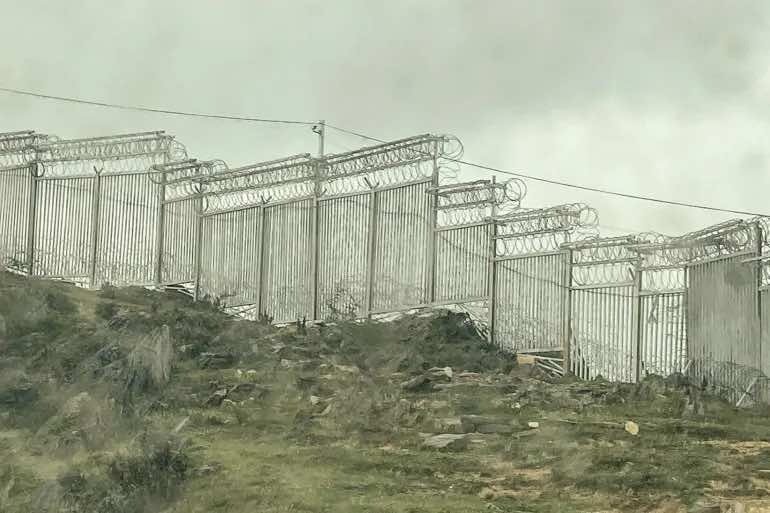
This post-COVID pattern closely resembles how Cambodia-based trafficking rings have operated — luring victims with fake overseas job offers, often through someone they trusted.
Vietnam vs Cambodia: A Fundamental Difference in How Crime Works
So is Vietnam actually safe? The key distinction between Vietnam and Cambodia comes down to the direction of crime.
- Cambodia (crime destination): Recent cases show victims — including foreigners — being lured into Cambodia, where local criminal organizations confine and exploit them. Cambodia functions as the final destination of the crime.
- Vietnam (crime origin): Trafficking and abduction cases reported in Vietnam primarily involve Vietnamese nationals being moved out of the country — to China or Cambodia. The 2024 UNODC report classifies Vietnam as a major “source country” and “transit country” for human trafficking.
This distinction matters when assessing travel risk. The danger in Cambodia lies in the possibility that outsiders can be lured there as victims. Vietnam’s statistical risk, by contrast, centers on its own nationals being trafficked abroad — not on foreign visitors being targeted inside the country.
Where Kidnapping Risks Are Concentrated in Vietnam
Kidnapping and trafficking incidents in Vietnam are concentrated near the borders with Cambodia and China — not in the major tourist destinations.
- Northern Vietnam — China border: Remote mountainous areas and isolated villages along the Chinese border.
- Southern Vietnam — Cambodia border: Areas near the Cambodian border. This does not mean cities like Ho Chi Minh City or Tay Ninh are hotbeds of crime — but their proximity to the border is a factor worth being aware of.
- Phu Quoc: Phu Quoc island sits geographically closer to Cambodia than to mainland Vietnam. However, reaching Cambodia from there requires a boat or flight, which creates a practical barrier.
Because these areas are geographically close to known high-risk border zones in Cambodia, they carry some potential risk of being used as transit or gateway points for luring people across the border.
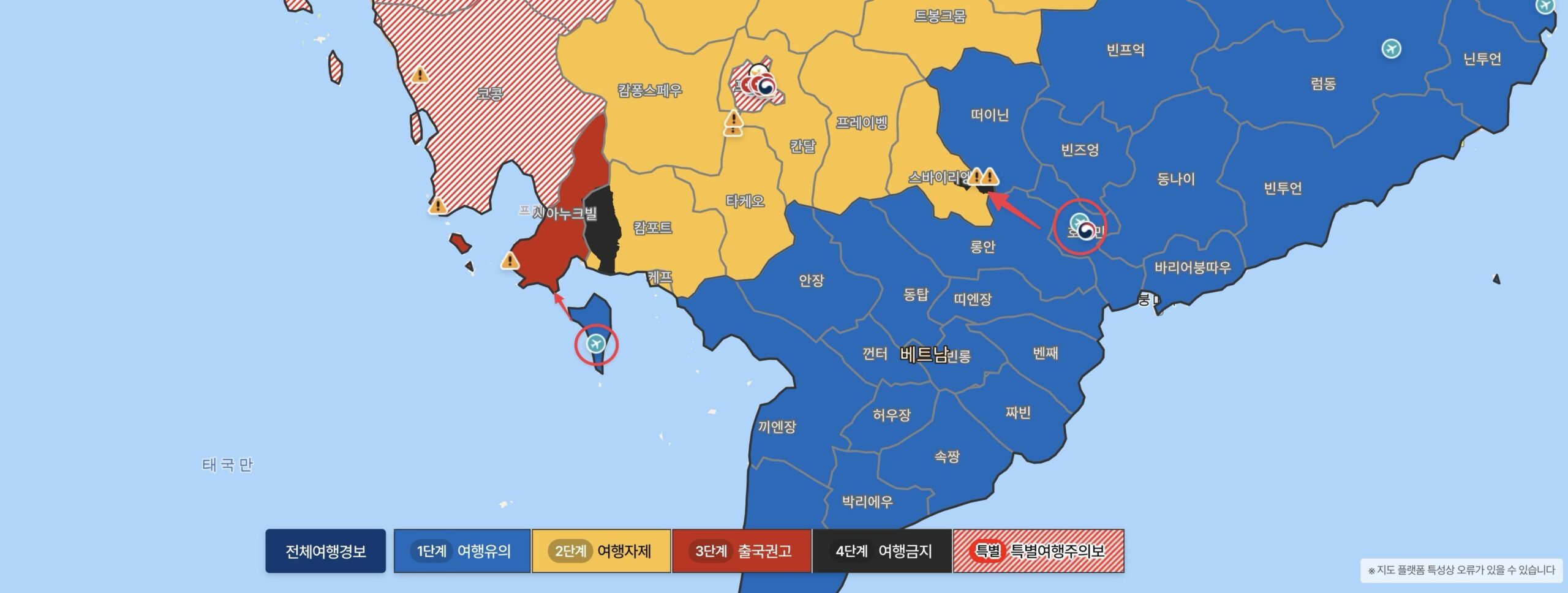
What about popular tourist destinations like Da Nang and Nha Trang? Concerns are understandable, but they largely stem from a misunderstanding of geography. Both cities sit at least 200 km from the Cambodian border even in a straight line — well outside the high-risk zones.
Kidnapping Targeting Foreign Tourists: What Official Records Show
Millions of international travelers visit Vietnam each year, yet no officially documented cases of foreign tourists being kidnapped inside Vietnam have been reported by the Vietnamese government, major international embassies, or credible news sources.
That absence of official records does not mean incidents have never occurred. But if organized crime targeting foreign visitors were happening at a significant scale, governments would very likely have issued formal travel warnings — and none of that kind have been issued specifically for Vietnam.
Conclusion: Risk Assessment Based on Facts
The U.S. State Department’s 2024 Trafficking in Persons Report places Vietnam in the Tier 2 category — meaning the Vietnamese government is making significant efforts to combat trafficking but has not yet fully met the minimum standards.
Putting the available data together:
- No officially documented cases of foreign tourists being kidnapped inside Vietnam have been reported.
- Vietnam functions primarily as a trafficking origin country — Vietnamese nationals trafficked abroad — rather than a destination where outsiders are brought in as victims.
- Caution around southern cities like Ho Chi Minh City relates to their geographic proximity to Cambodia’s border regions — not to crime in the cities themselves.
Anxiety following the Cambodia cases is understandable. But treating all of Vietnam as equally dangerous misreads the data. A more useful approach is to understand which areas carry what kind of risk, and to make travel decisions based on that — not on fear alone.
References
![How to Get from Ho Chi Minh City (Saigon) to Vung Tau [2026]](https://cms-en.vietnamguide.co.kr/wp-content/uploads/2023/05/1080px-Samco_Primas_sleeper_bus_in_Vietnam-edited.jpg)
![Best Area to Stay in Da Nang: Neighborhood & Hotel Guide [2026]](https://cms-en.vietnamguide.co.kr/wp-content/uploads/2026/05/다낭-호텔-아고다-설명.jpg)
![Phu Quoc Packing List: What to Wear & Travel Essentials [2026]](https://cms-en.vietnamguide.co.kr/wp-content/uploads/2026/05/베트남-푸꾸옥.jpg)