Vietnam taxi fares are low by any international standard, but the country is also known for taxi scams — and the gap between a reliable ride and a bad one is wider than most travelers expect. This guide covers which apps to use, what fares look like, how to read the meter, and what to do at the airport.
Vietnam Taxi Apps: Two Are All You Need
In Vietnam, two ride-hailing apps cover everything: Grab and Xanh SM. Both work in Phu Quoc, Da Nang, Nha Trang, and every major city. You enter a destination, see the fare upfront, and get picked up — no meter negotiation, no surprises. There is no practical reason to use any other taxi app; none of the alternatives offer a meaningful advantage in price or pickup speed.

1. Xanh SM — the cheaper option
The light-blue electric cars now common on Vietnamese roads belong to Xanh SM, operated by Vingroup. As of 2026, Xanh SM holds roughly 37% of the ride-hailing market — the largest share of any single operator. The entire fleet runs on electric vehicles, which makes rides noticeably quieter than a conventional taxi.
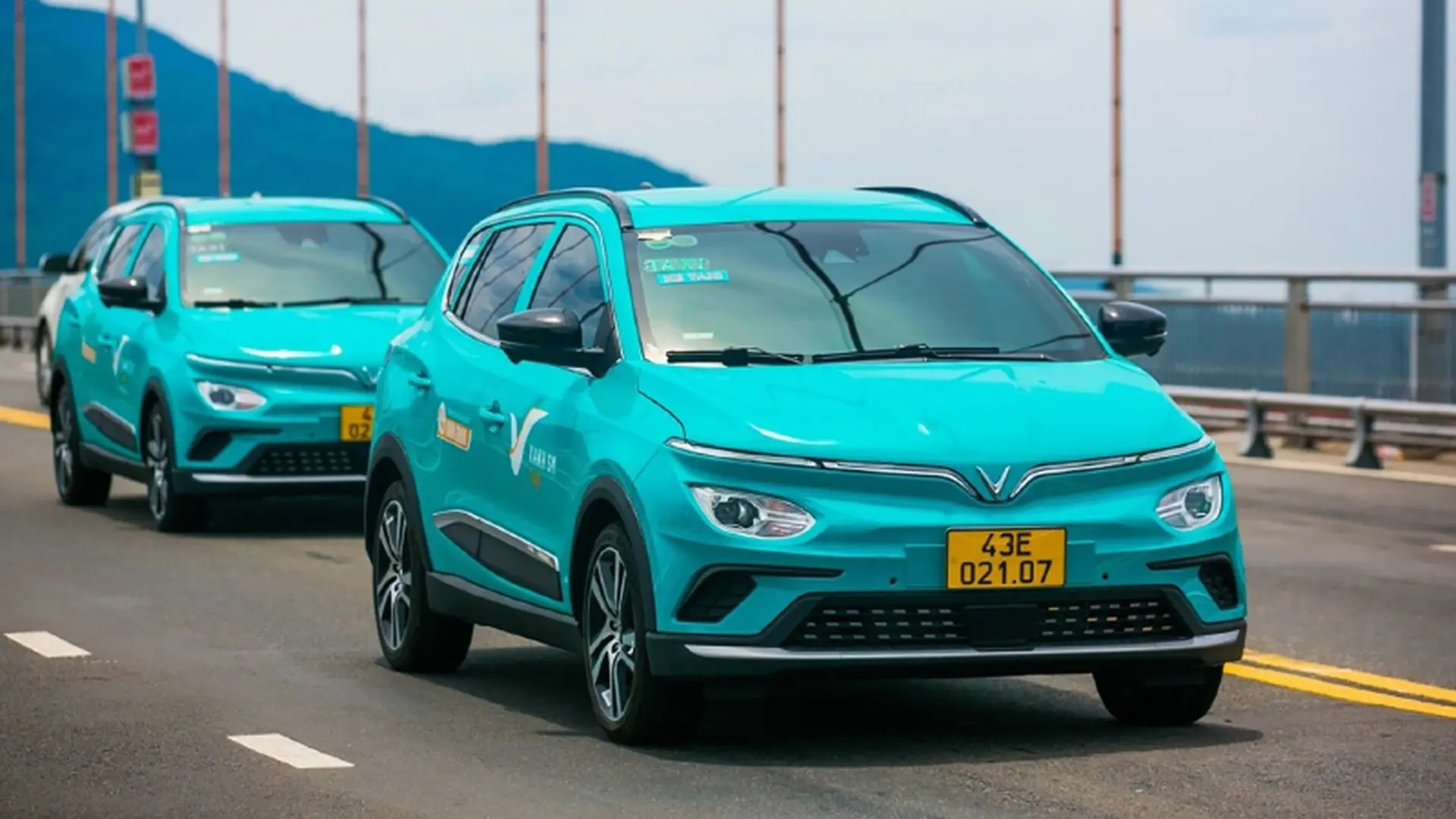
Fares run roughly 20–30% lower than Grab, and surge pricing during rush hours is either absent or much smaller. That combination makes Xanh SM the preferred option for locals — and the better value for travelers willing to set it up.
The main drawback is payment. Xanh SM does not accept most international travel cards. You will need to pay in cash or register a standard credit card. Since most individual rides are small amounts paid repeatedly, this can be inconvenient for first-time visitors still getting used to Vietnamese dong.
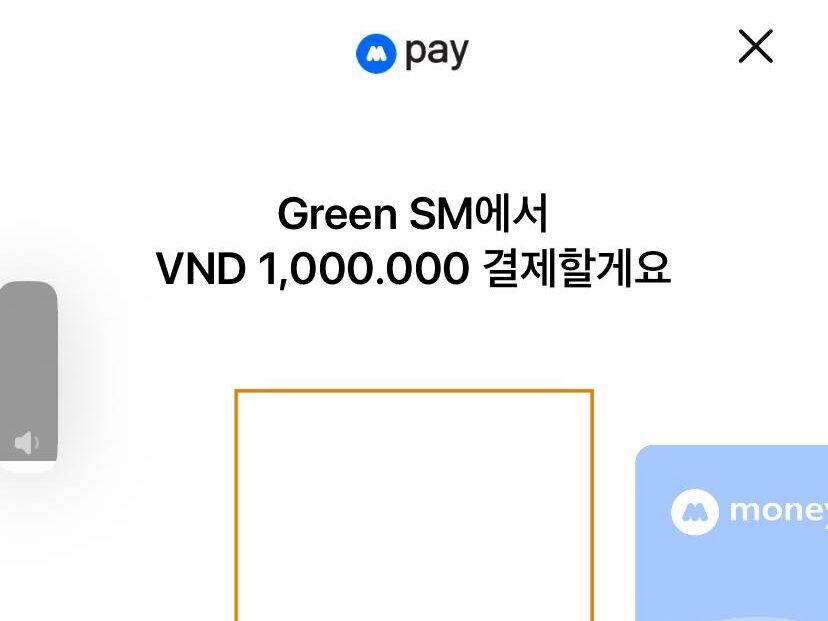
Sign-up is also a minor hurdle. Google and Apple login are supported, but first-time registration requires a WhatsApp verification step — so you will need WhatsApp installed before you can create an account. For longer stays, the setup is worth it. For a short trip, Grab may be the easier starting point.
Install WhatsApp → verify via WhatsApp → use Xanh SM
One minor complaint: the app carries more in-app ads than Grab. Some travelers also have reservations about electric vehicles in the event of an accident — if that concerns you, Grab is the alternative.
We compared fares for the same destination and time using both apps.
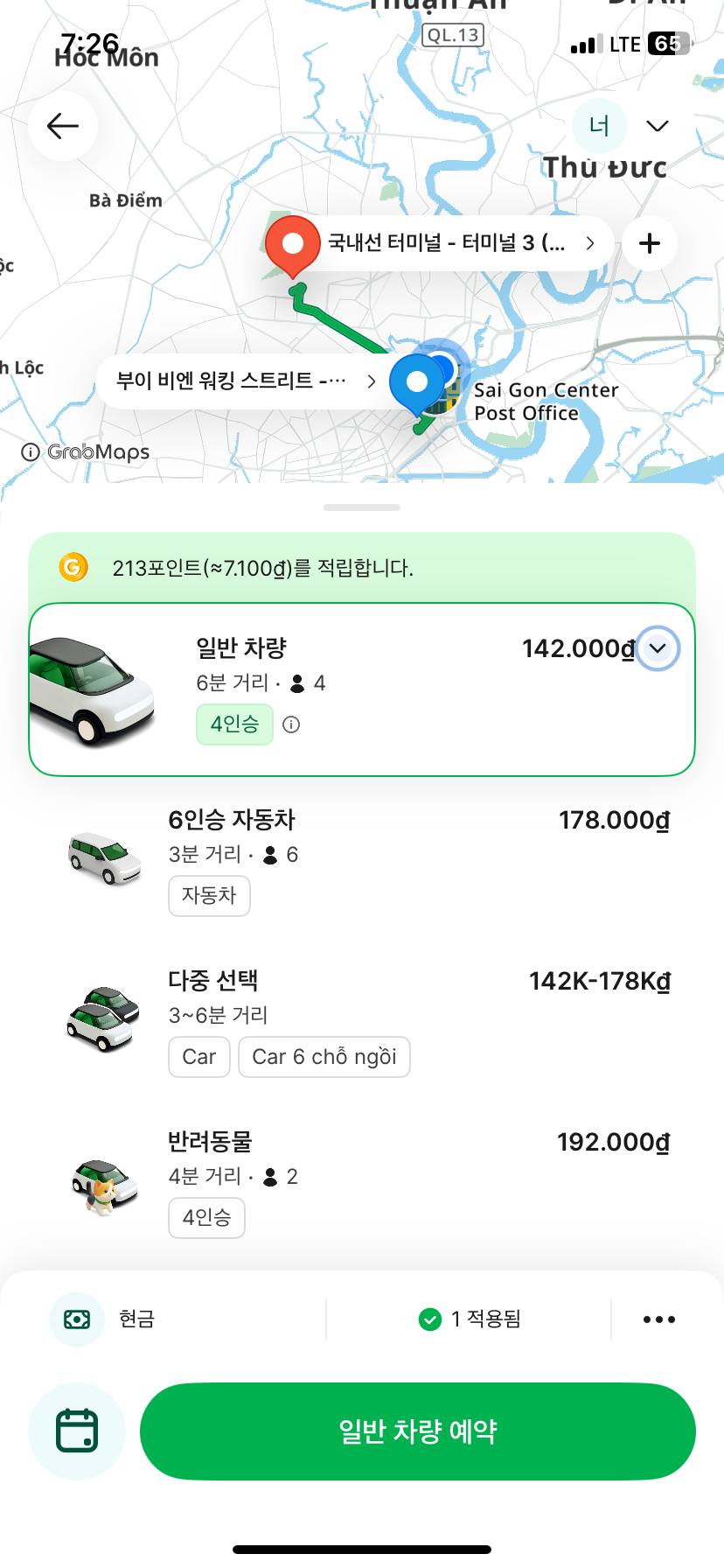
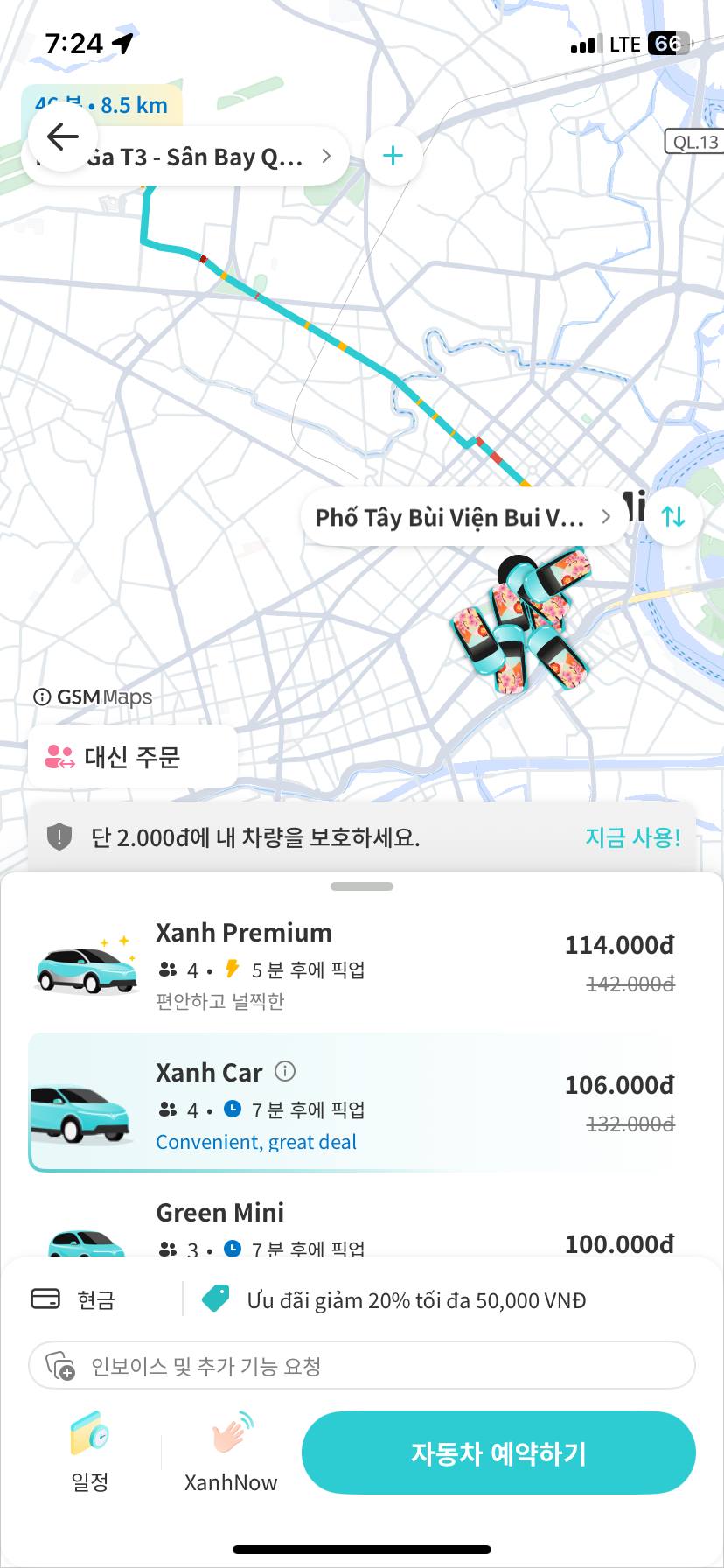
Xanh SM came in about 25% cheaper for the same route. During peak hours, the gap widens further as Grab adds surge pricing.
2. Grab — easiest for first-time visitors
Grab has lost market share to Xanh SM, but it remains the most accessible option for foreign visitors. No local account is required to get started, the app is fully in English, and as a regional company it has reasonable customer support if something goes wrong. For anyone arriving in Vietnam without time to set up Xanh SM, Grab is the right starting point.
The downside is cost. Grab fares have risen steadily, and surge pricing during rush hours or rainy weather can push the total significantly higher — the surge indicator appears as a triangle symbol next to the fare. Since 2025, surge levels have increased, and in those conditions a metered taxi is sometimes cheaper.
For a full breakdown of Grab fares, tips, and common questions, see the Vietnam Grab guide.
3. Traditional taxis: Vinasun and Mai Linh
If you cannot use a ride-hailing app — no internet, or traveling to a rural area — two metered taxi companies are reliable: Mai Linh, which operates nationwide, and Vinasun, which is concentrated in southern Vietnam. These are the only traditional taxi companies worth flagging down.
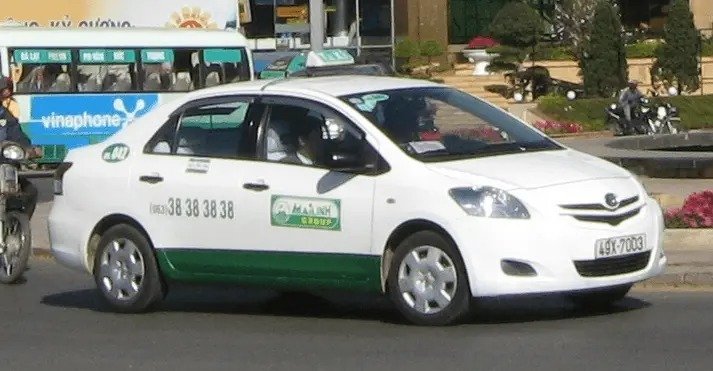
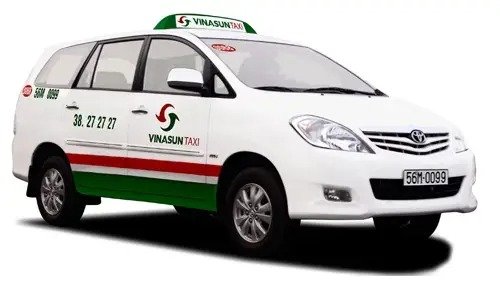
If you need a taxi without an app, ask hotel staff, restaurant staff, or anyone nearby — they can call one for you. Both companies have their own apps, but these require a local Vietnamese phone number to register and are not practical for visitors. There is no reason to install them.
Vietnam Taxi Fares
Metered taxi fares in Vietnam vary by company, city, and vehicle type, but the general range is 11,000–17,000 VND per kilometer (roughly $0.45–$0.65). By most international standards, this is inexpensive — there is no reason to hesitate about taking a taxi for short trips.
Given how common taxi scams are in Vietnam, using Grab or Xanh SM is the safer choice whenever possible.
How to Read the Taxi Meter
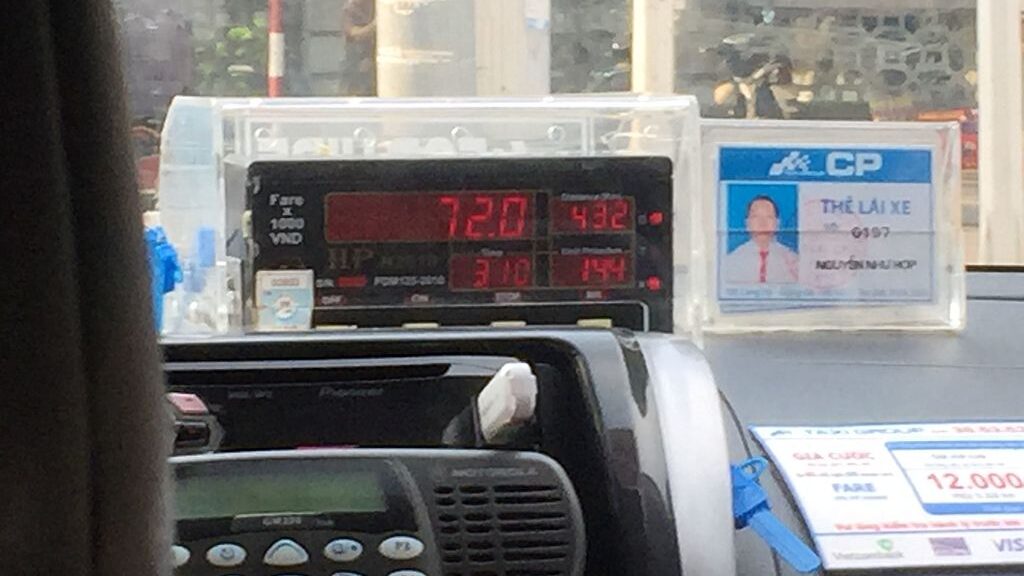
Vietnamese currency has large denominations, so taxi meters display a shortened figure — the last two or three zeros are dropped.
Meter reads 72.0 → actual fare is 72,000 VND (about $2.90)
Ignore the decimal. Multiply the number shown by 1,000 to get the real fare.
Do Vietnam taxis charge surge or night rates?
Vinasun and Mai Linh metered taxis do not apply time-based surcharges — you pay the meter rate regardless of hour.
Grab does apply surge pricing based on demand. During busy periods or bad weather, a triangle symbol appears next to the fare and the price rises. In those situations, Xanh SM or a metered taxi may be cheaper.
Should you tip taxi drivers in Vietnam?
Tipping is not expected. That said, if the fare comes to something like 134,000 VND, it is common to hand over 140,000 VND and not ask for the 6,000 VND change — a small rounding that drivers appreciate but will not expect.
How to Avoid Taxi Scams in Vietnam
The simplest way to avoid taxi scams is to use Grab or Xanh SM. When that is not possible, three things to keep in mind:
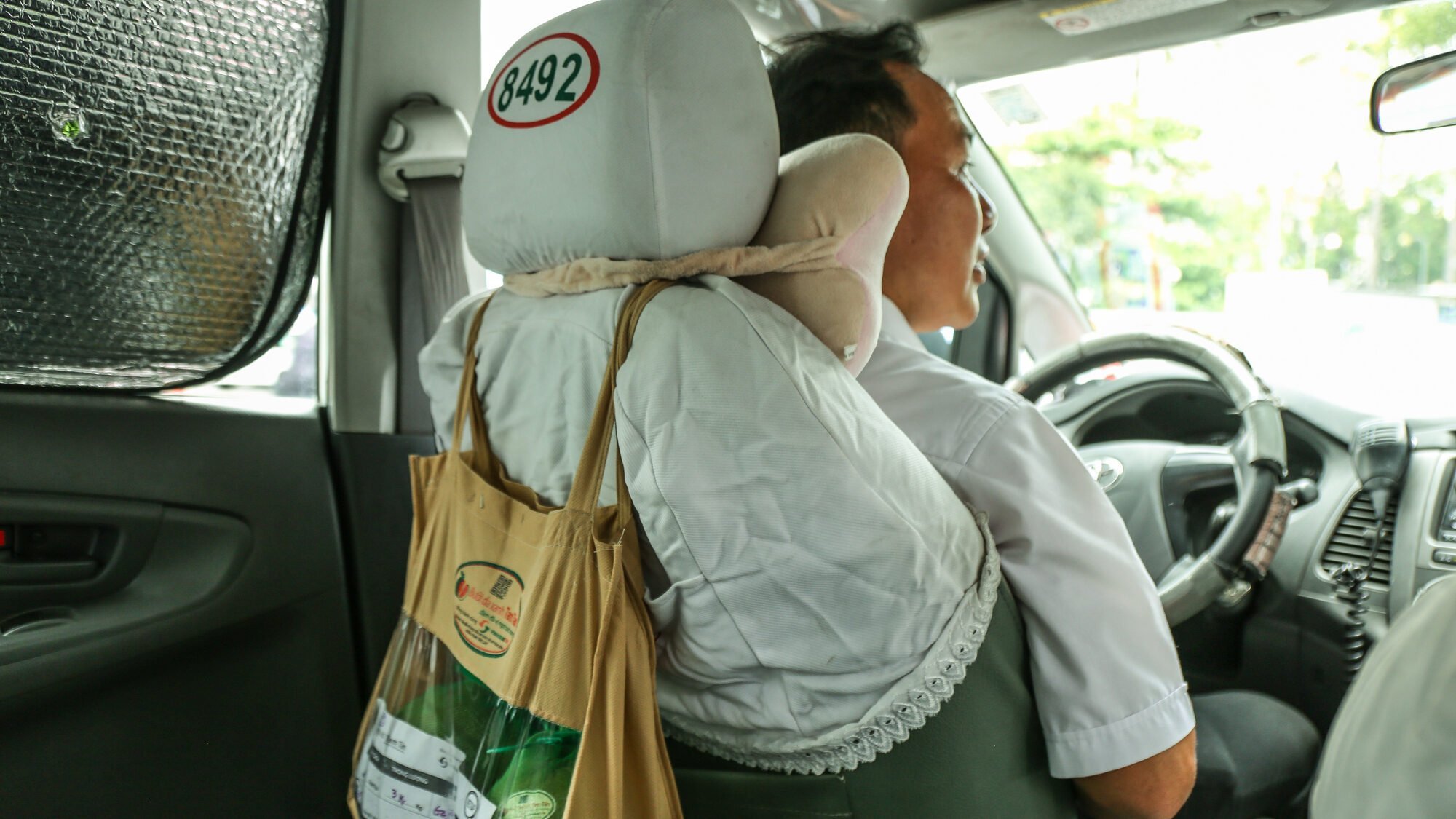
1. Check the uniform. Licensed drivers wear a short-sleeved shirt, tie, and dress trousers. Avoid anyone in street clothes.
2. Ignore anyone who approaches you. Legitimate drivers wait. Anyone who walks up calling “taxi?” is worth ignoring — this is especially common at airports.
3. Note the vehicle number. Mai Linh and Vinasun taxis display a four-digit ID number on the exterior and on the front passenger dashboard. Keep it in case you need to contact the company.
Taking a Taxi from the Airport
At any Vietnamese airport, go directly to the official taxi stand rather than accepting a ride from anyone inside the terminal. Each airport has designated areas for licensed taxis, and the companies allowed to operate there vary by terminal — so a company you looked up online may not be present at your specific exit.
At the taxi stand, staff in company vests from Mai Linh, Vinasun, or similar operators will direct you to a vehicle. Legitimate companies do not let drivers solicit passengers directly — a staff member handles the queue.
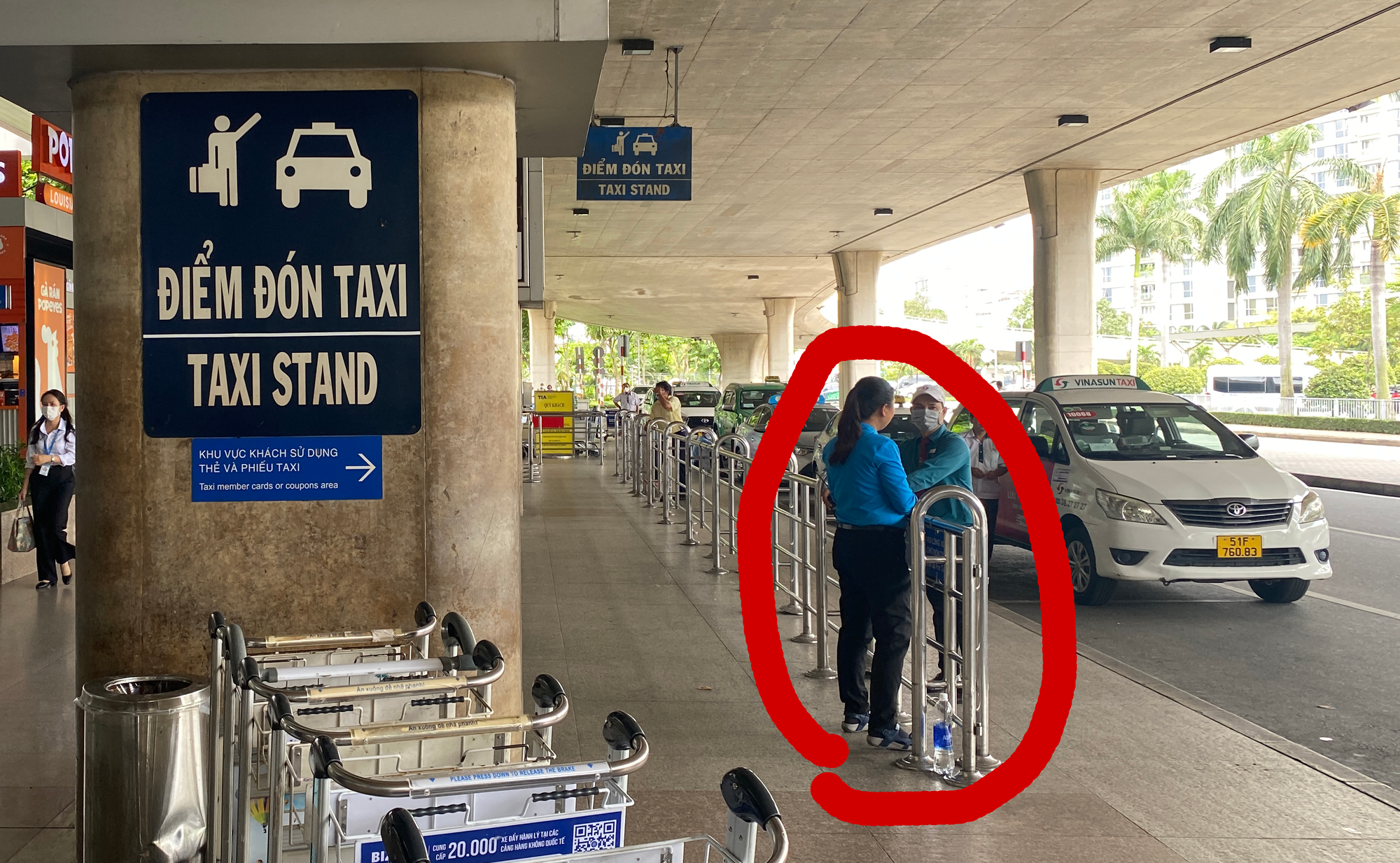
Anyone in civilian clothes who approaches you before you reach the stand is almost certainly an unlicensed driver. Walk past and head to the stand.
Left Something in a Taxi?
The odds of recovering a lost item from a Vietnamese taxi are low, but not zero. If you noted the vehicle ID number, ask hotel staff to contact the taxi company on your behalf — they can communicate in Vietnamese, which helps. If you did not note the number, the hotel can still try to reach the company using your departure time, pickup location, and destination. Either way, the realistic expectation is no recovery, so keep valuables with you during the ride.

![How to Get from Ho Chi Minh City (Saigon) to Vung Tau [2026]](https://cms-en.vietnamguide.co.kr/wp-content/uploads/2023/05/1080px-Samco_Primas_sleeper_bus_in_Vietnam-edited.jpg)
![Best Area to Stay in Da Nang: Neighborhood & Hotel Guide [2026]](https://cms-en.vietnamguide.co.kr/wp-content/uploads/2026/05/다낭-호텔-아고다-설명.jpg)
![Phu Quoc Packing List: What to Wear & Travel Essentials [2026]](https://cms-en.vietnamguide.co.kr/wp-content/uploads/2026/05/베트남-푸꾸옥.jpg)