Hoi An is one of Vietnam’s most visited destinations — a UNESCO World Heritage site with a well-preserved ancient town at its center. That heritage status comes with strict building regulations: new large hotels and resorts cannot be built within the Old Town core, which means accommodation is spread across the surrounding areas, along the riverfront, and out toward the beach.
Where you stay in Hoi An shapes the entire trip. The right area depends on how you plan to spend your time — this guide breaks down the three main zones so you can choose without guessing. The areas follow the location filters used on Agoda, one of the most widely used booking platforms for this region, so you can apply the same filters directly when you search.

1. Best for Old Town access: Cam Pho and Minh An
If you prefer walking over cycling, or are not comfortable on a bike, Cam Pho or Minh An is the right base. Cam Pho sits on the western edge of the Old Town and offers a wide range of options — guesthouses, boutique hotels, and mid-range properties. Depending on exactly where your hotel is, you can reach the Old Town on foot or with a short bike ride.
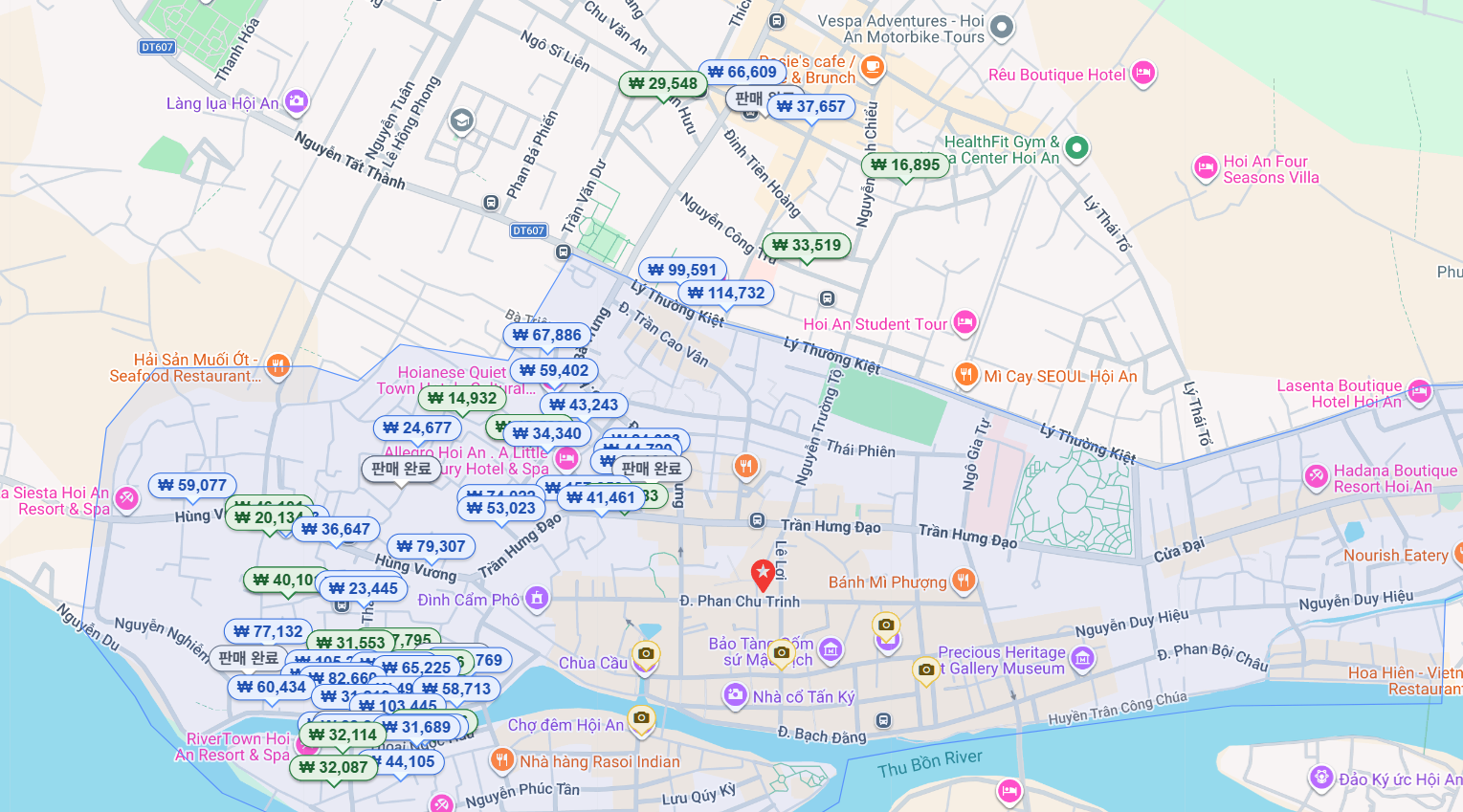
The trade-off is distance to the beach. An Bang Beach and Cua Dai Beach are roughly 5–6 km away in a straight line — a pleasant cycling distance in the early morning or evening, but a tiring ride in the midday heat. If you plan to visit the beach regularly, use a shuttle, Grab, or book a local tour rather than cycling each way.
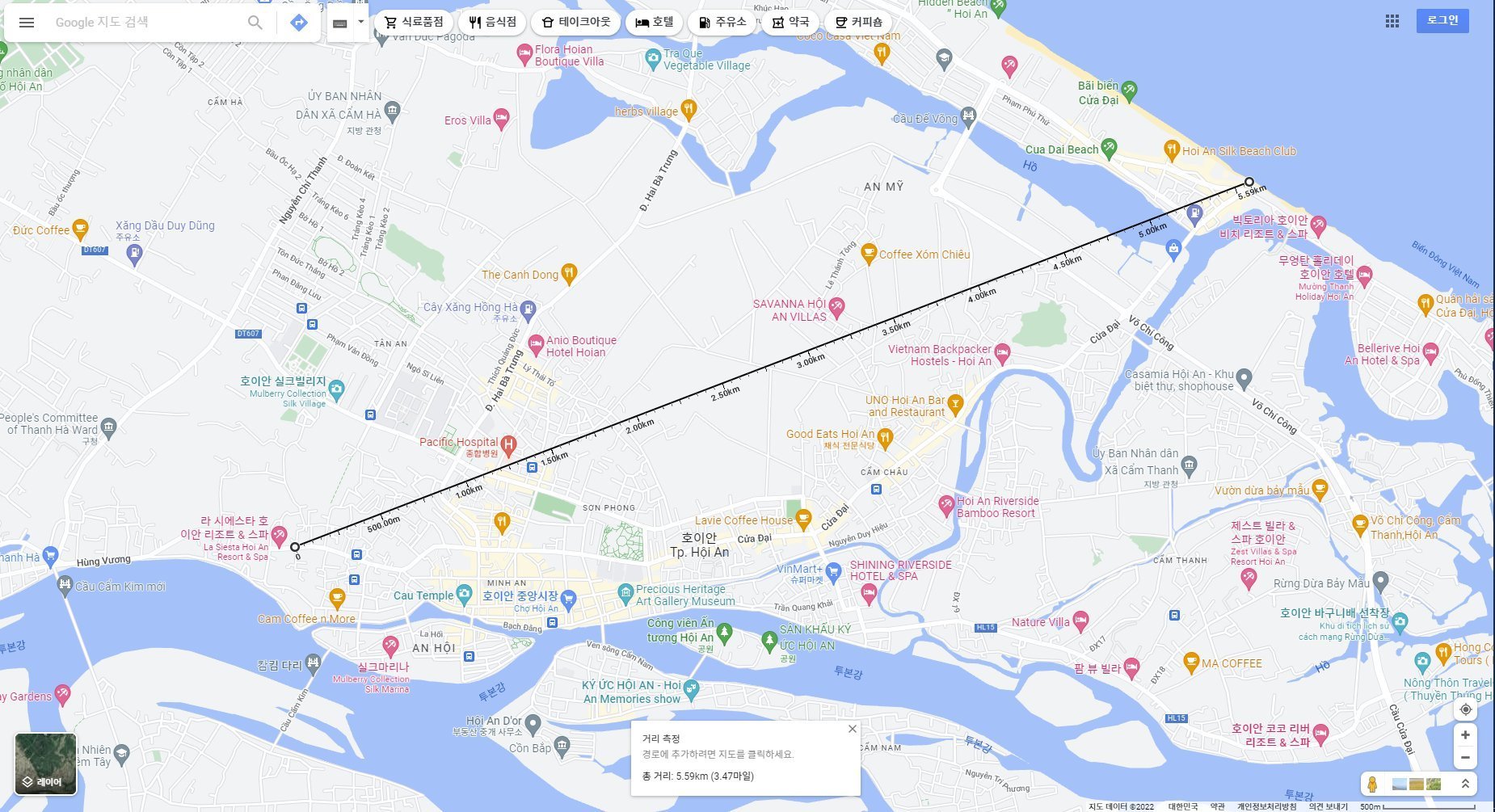
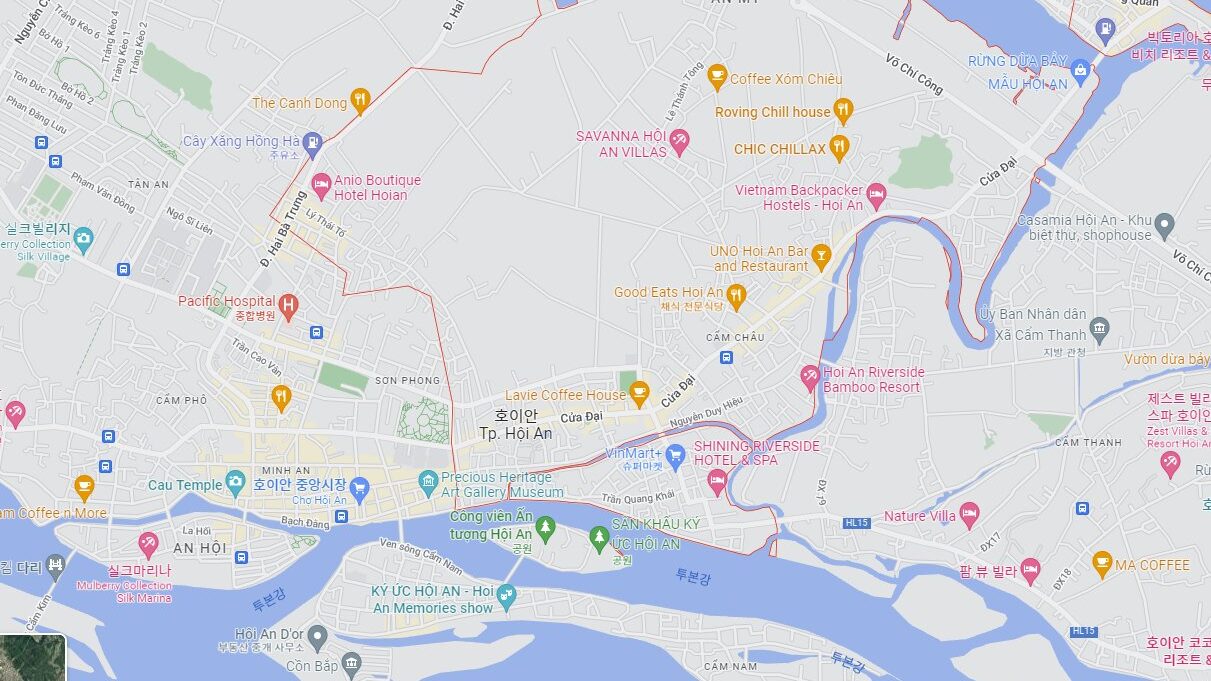
2. Best for balancing Old Town and beach: Cam Chau
Cam Chau is the strongest option for cyclists. It stretches east from the Old Town along the river, sitting roughly halfway between the ancient town and Cua Dai Beach — putting both destinations within reach from a single base.
One thing to keep in mind: Cam Chau covers a larger area than it looks on a map. The further east you go toward the coast, the darker and quieter the roads get at night — streetlighting is limited in places. Stick to properties close to a main road if safety and ease of movement after dark matter to you.
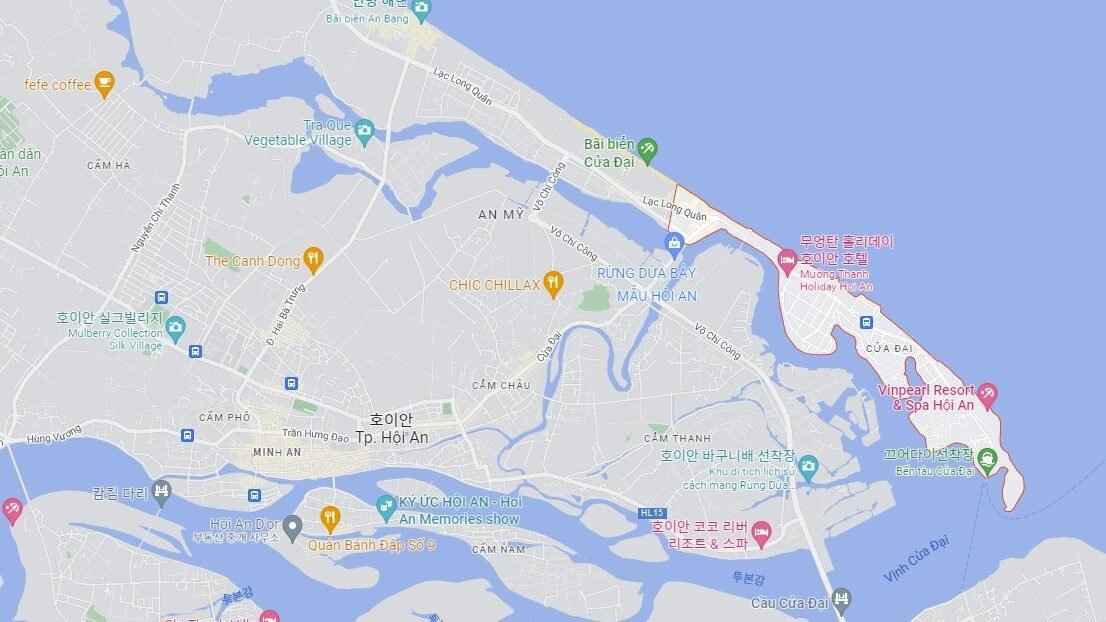
3. Best for beach resort stays: Cua Dai and Cam An
The eastern end of Hoi An — Cua Dai Beach and Cam An, which includes An Bang Beach — is where the area’s top resorts are concentrated. An Bang Beach has been recognized among CNN’s list of the world’s top 100 beaches, and the resorts along this stretch offer a genuinely relaxing base away from the bustle of the Old Town.
The downside is distance. Cycling to the Old Town and back is a long round trip for most travelers — most guests rely on taxis, Grab, or motorbike rentals for day trips into town. If you can ride a motorbike, many properties can help arrange a rental, though policies vary, so confirm before arrival.
Many resorts in this area run shuttle buses between the beach and the Old Town as a guest amenity. Schedules and whether the service is complimentary vary by property — check with the resort directly.
Cycling in Hoi An: Practical Tips
Hoi An is well suited to cycling — here is what to know before you ride:
- Hotel rentals: Most hotels offer bicycles free of charge. If there is a fee, it is typically around 30,000–50,000 VND (roughly $1–2) per day.
- Use the designated parking areas: Cycling inside the Old Town itself is impractical — the lanes are narrow and crowded with pedestrians. Leave your bike at one of the public parking areas near the entrance and explore on foot.
- Parking fee: Parking typically costs around 5,000 VND (under $0.25).
- Park safely: Do not leave your bike in an empty lot or an unattended spot — theft is a real risk. Always use an attended parking area with a guard on duty.
- Keep your ticket: The parking attendant will give you a small claim ticket. Keep it somewhere secure — a phone case pocket works well — and present it when you collect the bike.

![How to Get from Ho Chi Minh City (Saigon) to Vung Tau [2026]](https://cms-en.vietnamguide.co.kr/wp-content/uploads/2023/05/1080px-Samco_Primas_sleeper_bus_in_Vietnam-edited.jpg)
![Best Area to Stay in Da Nang: Neighborhood & Hotel Guide [2026]](https://cms-en.vietnamguide.co.kr/wp-content/uploads/2026/05/다낭-호텔-아고다-설명.jpg)
![Phu Quoc Packing List: What to Wear & Travel Essentials [2026]](https://cms-en.vietnamguide.co.kr/wp-content/uploads/2026/05/베트남-푸꾸옥.jpg)